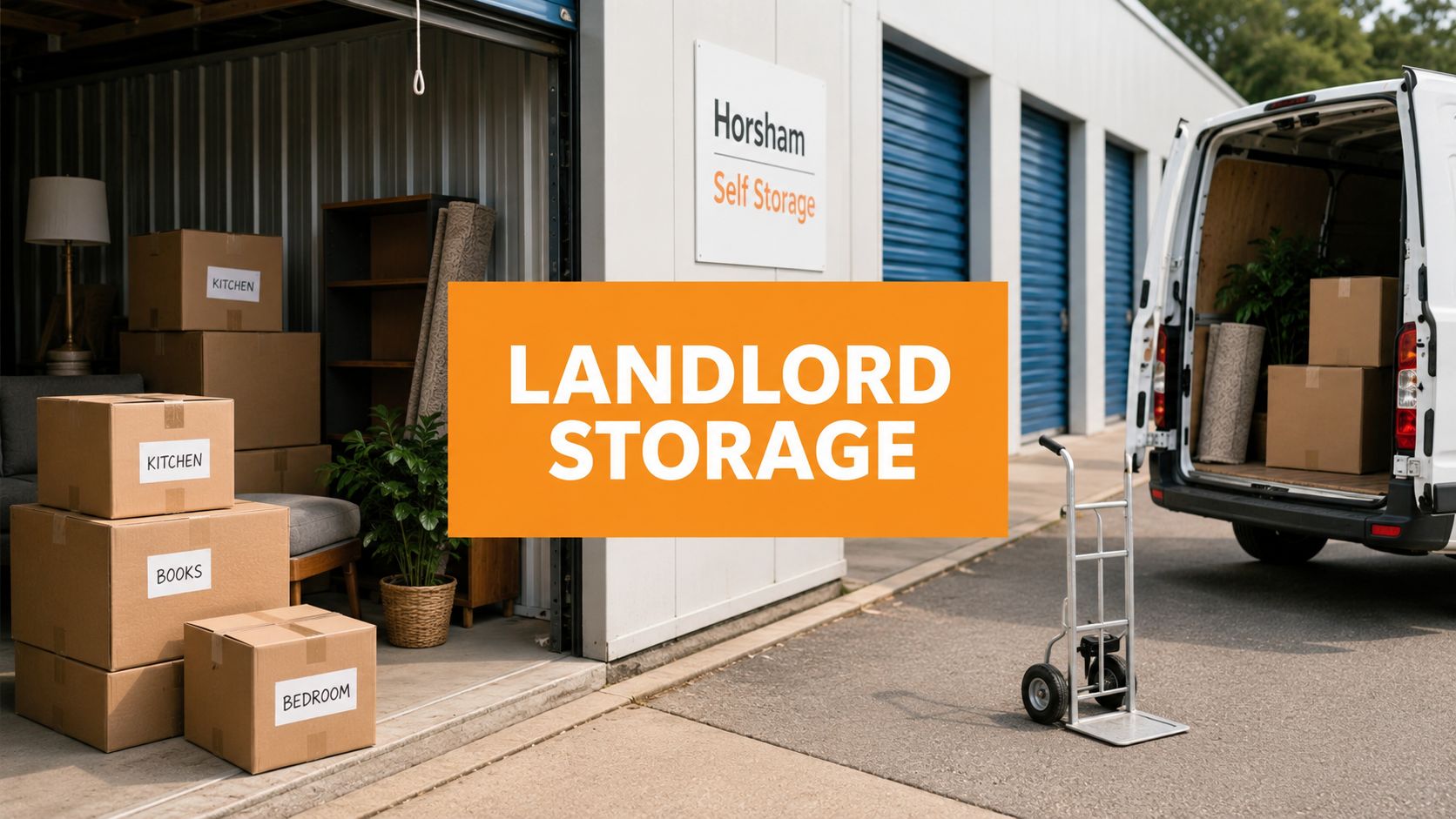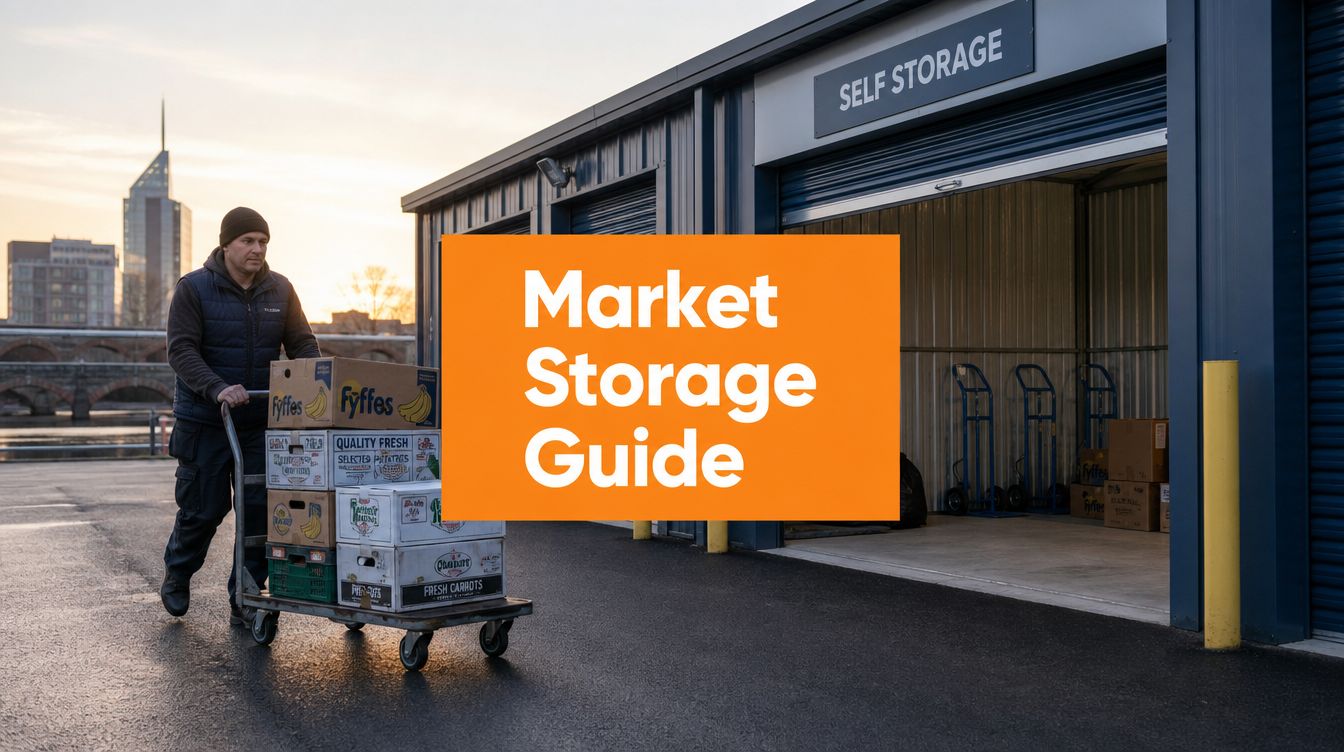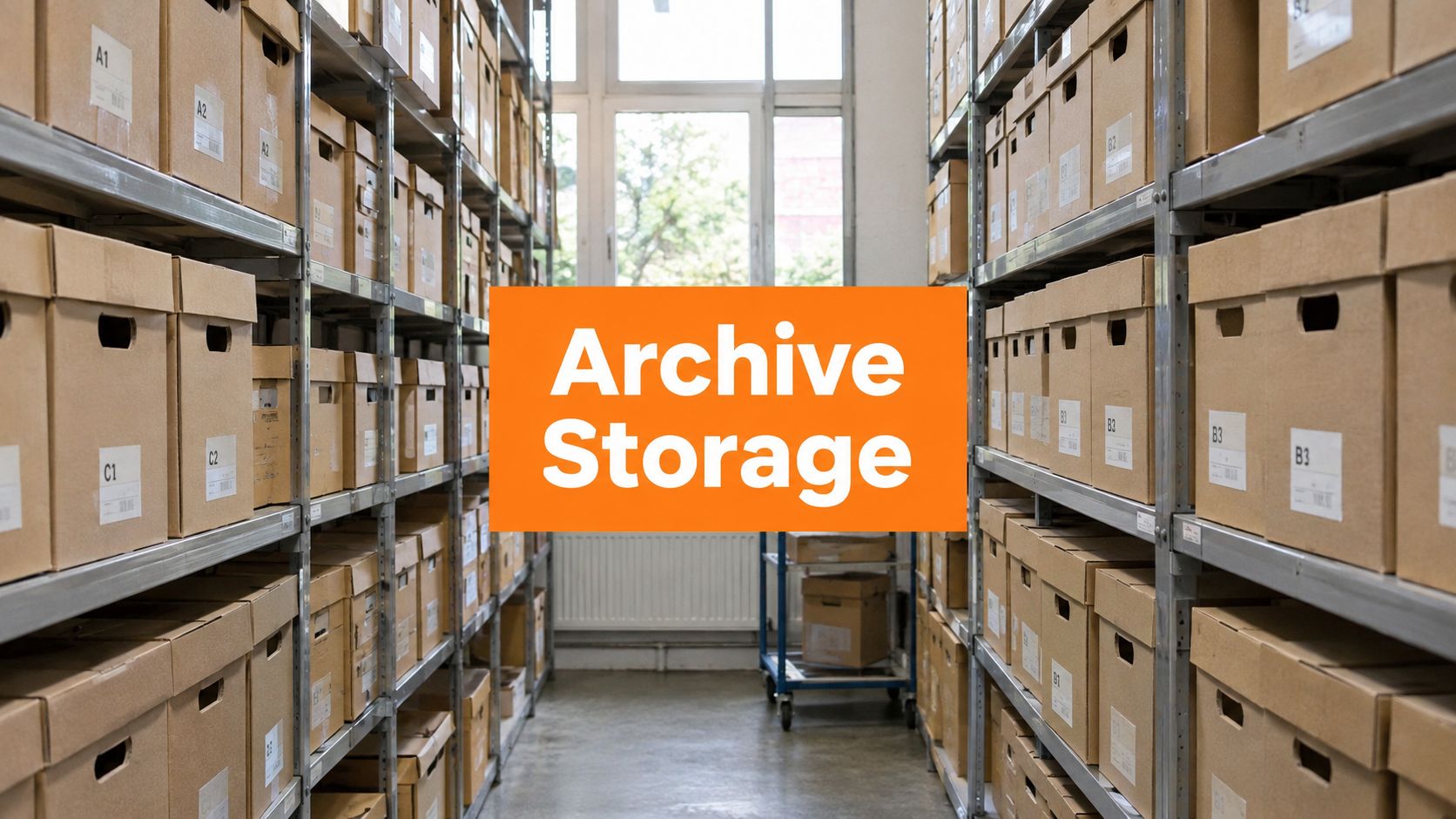

You’re probably reading this with a hallway full of boxes, a spare room that’s stopped being spare, or a business stockpile that’s crept from “temporary overflow” into “we need a plan”.
That’s usually how self storage starts. Not with a grand decision, but with a practical problem. A house move gets delayed. A renovation runs longer than expected. A student needs somewhere safe for belongings between terms. A tradesperson runs out of room for tools at home. An online seller realises the dining table is no longer a sensible packing bench.
The hard part isn’t always deciding to use storage. It’s choosing the right size without guessing, overpaying, or ending up with a unit that’s too cramped to use properly. The struggle isn't because storage is complicated, but because size guides often make it feel abstract.
This guide keeps it simple. It walks through different sizes of self storage in plain English, using examples that fit real UK situations rather than vague “bedroom equivalents”. If you want a quick way to sense-check your estimate before you book, this guide on how much storage you need is a useful place to start.
Feeling Overwhelmed? How to Choose the Right Storage Unit Size
A lot of customers arrive at storage the same way. They start by trying to make everything fit at home.
First the boxes go into the loft. Then the garage fills up. Then the guest room becomes a holding zone for furniture, paperwork, sports kit, and the things you “just need out of the way for a few weeks”. Before long, you can’t find anything without moving three other things first.
That’s when storage stops being a luxury and starts being a practical fix.
The most common mistake
People usually worry about choosing a unit that’s too small, but the actual issue is often choosing without thinking about how they’ll use the space once everything is inside. A tight fit might look economical on paper, yet become frustrating if you need to reach boxes, rotate stock, or retrieve tools during the month.
A homeowner renovating a kitchen might only need to store furniture for a short period. A student may want to tuck away clothes, books, bedding, and a bike until the next term. A small business might need room not just to store archive boxes, but to access them when needed.
Practical rule: If you’ll need to visit the unit regularly, don’t judge by “what fits”. Judge by “what fits and still works”.
Start with your real-life use
Think less like a tape measure and more like a day-to-day user.
Ask yourself:
- Will you visit often? If yes, you’ll want walking space and a clear layout.
- Are your items bulky or boxy? Sofas and wardrobes behave differently from neat archive cartons.
- Is this short-term or ongoing? Temporary storage can often be packed tighter than business stock you need to rotate.
Once you know that, sizing gets much easier. You’re not picking a mysterious metal room. You’re choosing a working space that suits your life, your move, or your business.
From Square Feet to Cubic Space How We Measure Storage
The first bit of jargon that confuses people is the difference between square feet and cubic space.
Square feet tells you the floor area. Cubic space tells you the full volume you can use, including height. A simple way to think about it is this: square feet is the footprint of a rug on the floor, while cubic space is the whole room from floor to ceiling.
That matters because storage isn’t only about spreading items out. It’s also about stacking safely and sensibly. If you’ve got sturdy boxes, shelving, dismantled furniture, or archive storage, height can make a big difference.

Floor area versus working volume
A smaller unit with good stacking potential may hold more than you expect. A larger unit can still feel crowded if you load it badly.
This is why medium units are so useful. A 10'×15' unit provides around 1,200 cubic feet, which is about 34 cubic metres, and that size is widely seen as a sweet spot because it gives enough height for efficient stacking while still allowing access for furniture or business archives, as noted in this storage size guide from SmartStop.
If you’re also comparing your household items by volume before moving, it can help to get accurate removalist quotes by understanding what a cubic metre looks like in practice.
Standby Self Storage Unit Size Guide
| Unit Size (sq ft) | Dimensions (approx.) | What It’s Like | Best For |
|---|---|---|---|
| 25 | 5'×5' | A compact cupboard-sized space | A few boxes, small furniture, student essentials |
| 50 | 5'×10' | Similar to a large shed or slim spare room | Bikes, stacked boxes, term-break storage, light stock |
| 75 | Around a small room | Enough space for mixed furniture and boxes | Flat moves, renovation overflow, tools and materials |
| 100 | 10'×10' | A versatile all-rounder | Household furniture, regular-access storage, growing business stock |
| 150 | 10'×15' | A strong balance of capacity and access | Home moves, document archiving, stock rotation, larger mixed loads |
Why this matters when comparing different sizes of self storage
Numbers only help if you translate them into layout decisions.
- Square feet helps you judge how many large items can sit on the floor.
- Cubic space helps you plan how many boxes can be stacked safely.
- Access needs decide whether the unit will feel organised or frustrating.
If you’re storing for months rather than days, leave room to open the door and reach what matters first.
That one habit changes how useful a unit feels after move-in day.
A Visual Guide What Fits Inside Our Most Popular Units
Most size guides stop at floor measurements. That’s where many people lose confidence. They can understand “50 square feet”, but they still can’t picture whether that means a student’s summer storage, a decorating project, or a run of boxed inventory.
A more helpful way to look at different sizes of self storage is by who’s using the space and how often they need access. Standard guides often miss niche use cases, especially for UK customers such as tradespeople with valuable equipment or e-commerce sellers who need stock rotation rather than a simple pile of boxes, as discussed in this storage size guide focused on common use cases.

Small units for light but important storage
A 25 sq ft unit usually suits people who don’t have a huge amount of stuff, but need the right place for it.
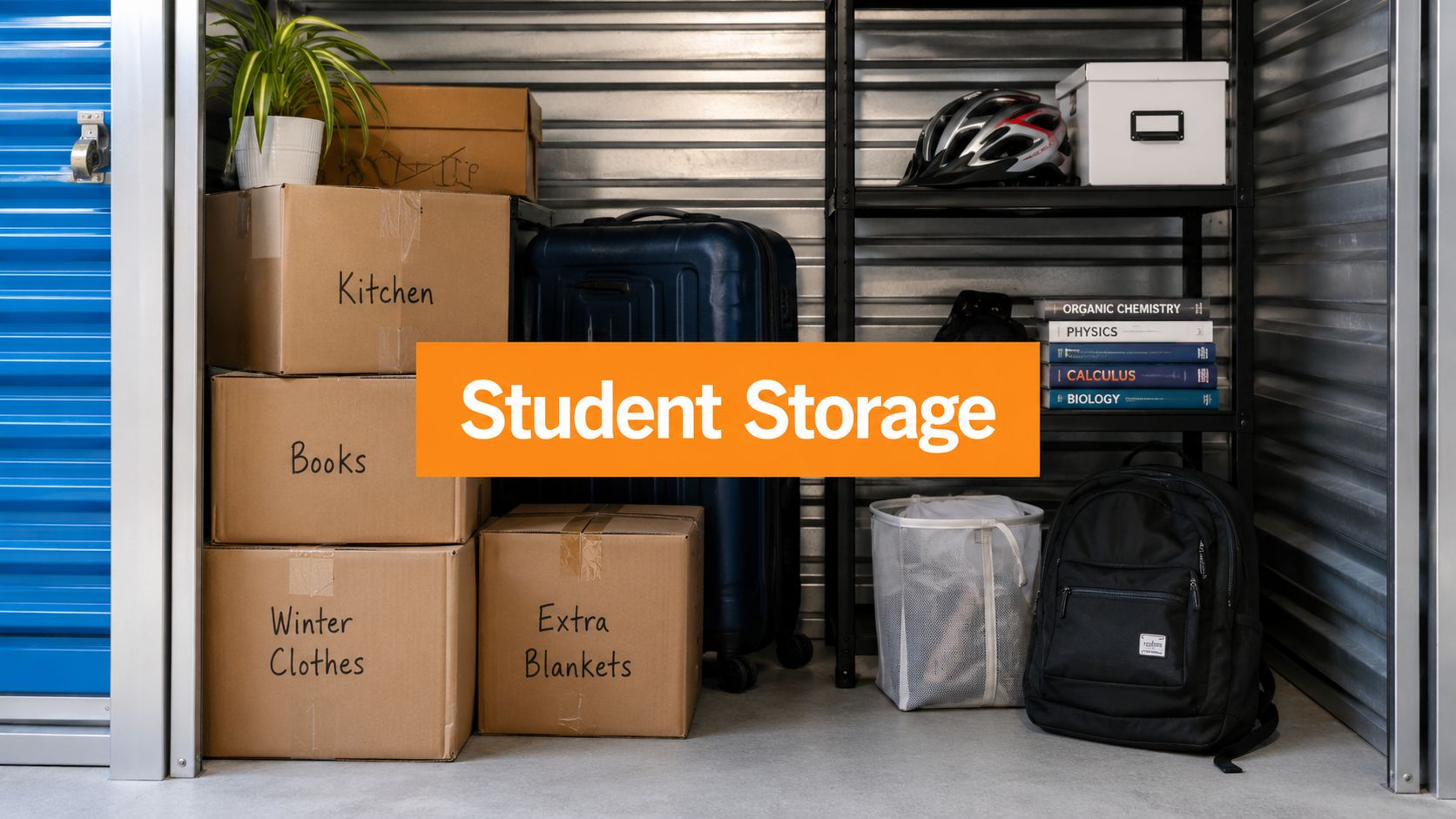
A student might use it over summer for bedding, kitchen kit, books, a desk chair, and several boxes of clothes. It’s also a tidy option for someone clearing a box room or landing during a redecoration.
For a small online seller, this size can work well if stock is limited to a few product lines and packed in cartons that stack neatly. It isn’t the unit for walking around inside for long, but it can be very efficient when packed with a clear front section for essentials.
Slim units for practical everyday overflow
A 50 sq ft unit gives you more flexibility than many people expect. It often suits the customer who has outgrown “just store it in the garage” but doesn’t need a full room’s worth of commercial space.
A student house group might share one for summer. One person stores a bike, another adds a folding desk, and everyone stacks labelled boxes. There’s enough room to organise by person if you plan it before loading.
For a homeowner, this can be the difference between surviving a renovation calmly and tripping over furniture for six weeks. You can move out dining chairs, smaller cabinets, rugs, lamps, and boxes of kitchenware, then keep the house usable while work gets done.
A well-packed small unit feels bigger than a badly packed medium one.
Mid-size units for mixed loads
A 75 sq ft unit is where self storage starts to feel roomy rather than efficient.
This size often suits someone moving out of a flat who needs somewhere for furniture, appliances, and boxes while waiting for completion dates to line up. You can usually create zones. Furniture at the back, boxes stacked by category, and a front section for the things you may need quickly.
It’s also a strong fit for tradespeople. Think power tools in locked cases, boxed materials, ladders where permitted by layout, and consumables you don’t want cluttering up a van or driveway. The key here isn’t just fitting equipment in. It’s being able to get to the right kit early on a wet Monday morning without unloading half the unit first.
Larger all-round units for serious flexibility
A 100 sq ft unit is one of the easiest sizes to recommend because it suits so many situations. It gives enough room for mixed furniture, plenty of boxes, and a more comfortable layout if you expect repeat visits.
For a family between homes, it can take the pressure off awkward moving dates. For a growing e-commerce business, it can become a workable stock room where products are grouped by line, packaging materials sit near the front, and incoming deliveries don’t throw the whole place into chaos.
Medium-large units where access still matters
A 150 sq ft unit deserves special attention because it combines scale with usability. In broader facility planning, 10×10, 10×20, and 10×15 units together make up 60% of supply, and an optimised mix commonly includes 10'×15' units at about 20%, according to this guide to storage unit sizes and facility mix.
That helps explain why this size works for so many real customers. It’s large enough for substantial household storage, but still practical for archive boxes, stock rotation, or keeping a sensible walkway. If you’re storing business documents, stock, or a mixed household load, this is often where capacity and usability meet.
How to Choose the Right Storage Unit for Your Situation
Choosing well isn’t about cramming everything into the smallest possible space. It’s about picking the unit that does the job without turning every visit into a reshuffle.
Some sizes are popular because they cover a broad range of needs. Units such as 10×10 and 10×15 make up over 40% of units, and facilities often balance small, medium, and large options around different user groups, including students in 5'×10' units and tradespeople using 10'×20' spaces, as outlined in this overview of popular storage sizes.

Ask these questions before you book
If you’re unsure between two sizes, work through these in order:
How often will you visit?
If the answer is “hardly ever”, you can pack more densely. If it’s “weekly” or “most days”, leave room to move.What shape are your items?
A mattress, sofa, and dining table behave very differently from sealed boxes. Bulky furniture needs floor space. Uniform cartons make better use of height.Will your storage needs change?
Business stock grows. Renovations overrun. Students collect more than they expect. Leave a bit of breathing room if your situation is still shifting.What matters more, minimum footprint or easy retrieval?
This one usually settles the decision.
When a slightly larger unit is the better choice
People sometimes think choosing a larger unit means wasting money. It can be the opposite.
If you can stack properly, leave a central path, and separate fragile items from heavy ones, the space becomes easier to manage and less likely to cause damage or frustration. That matters even more for sellers rotating inventory, homeowners storing while renovating, or tradespeople who need fast access before heading to a job.
For another way to visualise layouts before deciding, Endless Storage's visual sizing advice can be helpful when you’re comparing what a unit looks like on paper versus how it works in practice.
Choose the smallest unit that still lets you use the space properly. That’s usually the best-value choice.
A simple decision shortcut
If you’re storing mostly boxes, go by volume.
If you’re storing furniture, go by floor layout.
If you’re storing business items you’ll access often, choose for workflow first and raw capacity second.
That single change in thinking helps people avoid the classic mistake of booking a unit that technically fits everything but doesn’t function well once the door closes.
More Than Just Size Access Security and Location
The right unit size matters, but it isn’t the whole decision. Two units of the same size can feel very different depending on how easy they are to access, how secure the site is, and how convenient the location is for your routine.
If you’re storing high-value tools, business records, or anything with sentimental value, security stops being a nice extra and becomes part of the value of the unit itself. The same goes for access. A perfectly sized unit isn’t much help if getting to it is awkward when you need your things.
What to look for beyond square footage
A good storage choice usually includes these basics:
- Security features: Look for monitored sites, controlled entry, and a clear approach to protecting stored items.
- Practical access: Business users, commuters, and busy households all benefit from access that fits real schedules.
- Convenient location: A nearby site saves time and makes it more likely you’ll use the unit properly rather than avoid it.
For a closer look at the security side of storage, this guide on how secure self storage is breaks down the protections people commonly want to understand before move-in.
Why location changes the experience
A nearby facility can make a surprising difference. If you’re a student storing between addresses, a local unit makes drop-off and collection far simpler. If you run a small business, location affects how quickly you can receive, pick, and restock. If you’re renovating, it changes whether storage feels like help or hassle.
Security, access, and location don’t replace size. They shape whether the size you choose works in day-to-day life.
How to Pack Your Storage Unit Like a Pro
Packing well can save you as much hassle as choosing the right size. I’ve seen small units work brilliantly because everything was labelled, stacked, and loaded in the right order. I’ve also seen larger spaces become a headache because boxes were random, fragile items were buried, and the one thing the customer needed most ended up at the very back.
A little planning fixes that.

Smart loading habits
Use these on move-in day:
- Pack uniform boxes where you can: They stack more safely and waste less space than a mix of odd cartons.
- Keep heavy items low: Put books, tools, and dense boxes on the bottom. Lighter items belong higher up.
- Leave a small walkway: Even a narrow access path can save a huge amount of time later.
- Put frequent-use items near the front: Think business stock, seasonal clothing, paperwork, or tool cases.
- Lift furniture off the floor where sensible: Pallets, protective boards, or careful placement can help keep things tidy and improve airflow.
- Leave a little air gap by the walls: That helps with circulation and makes the unit easier to inspect.
A move-in checklist that prevents regrets
Before you lock up, do these five things:
- Label every box on more than one side so you can read it from different angles.
- Photograph valuable items before storing them.
- Make a simple inventory list on your phone or in a notebook.
- Group similar items together such as kitchenware, documents, tools, or winter clothing.
- Test access once loaded by checking you can reach the items you’re most likely to need first.
“Pack for the second visit, not just the first load.”
That’s the habit that separates a neat unit from a stressful one.
If you want a more detailed walkthrough before moving in, this practical guide on how to pack your storage unit step by step is worth keeping open while you prepare.
Frequently Asked Questions About Self Storage
Do I need to commit for a long time
Not always. Many customers use self storage for short, specific periods such as a renovation, a term break, a move, or a stock overflow period. Others keep a unit for longer because it solves an ongoing space problem. What matters most is choosing storage terms that match your actual situation rather than forcing a long commitment.
What can’t go into a storage unit
Rules vary by provider, but prohibited items typically include anything dangerous, illegal, perishable, or likely to damage other stored goods. If you’re unsure about a particular item, ask before move-in rather than assume.
Do I need insurance
If you’re storing items with financial or sentimental value, it’s sensible to understand what protection applies and whether you need cover in place. That’s especially important for business users, tradespeople with equipment, and anyone storing furniture or electronics.
Can I use storage for business items
Yes, many businesses do. Archive boxes, stock, tools, promotional materials, spare fixtures, and seasonal supplies are all common business storage uses. If you’re comparing broader urban options as well, guides like Best London Removals storage can help you see how different storage providers describe access and business use cases.
How do I get started without a lot of back-and-forth
The easiest process is usually the best one. Check live pricing, pick a suitable size, book online, and get your access details without waiting around for paperwork to crawl along. If you already know roughly what you’re storing, the whole process can be much simpler than one might expect.
If you want flexible, secure storage with straightforward online booking, Standby Self Storage makes it easy to find a unit that fits your belongings and your routine. You can check pricing, choose the right size, and move in without delay across locations in Aylesbury, Croydon, Epsom, Horsham, Molesey, Reading, Reigate and Worthing.